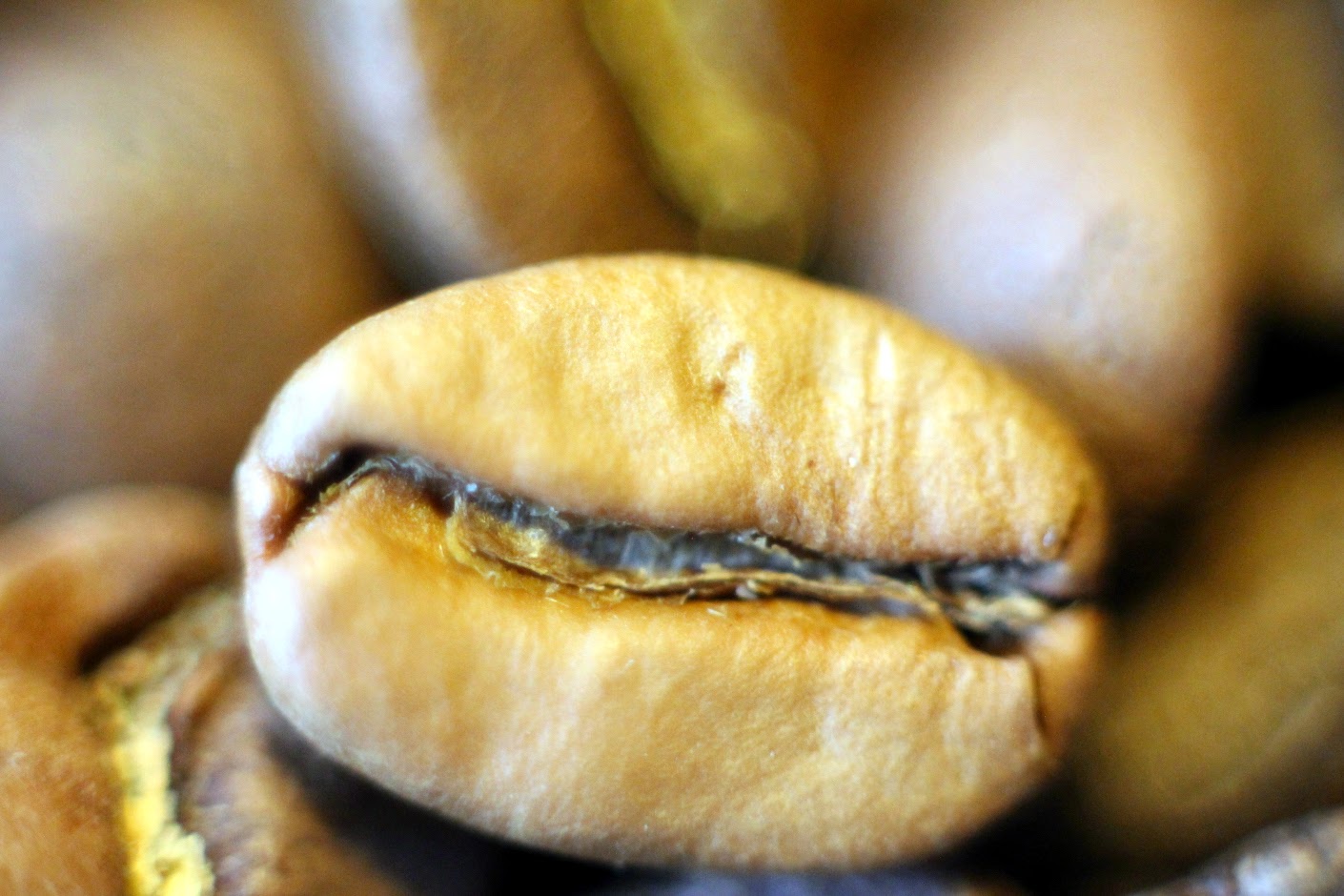
Showing posts with label Coffee. Show all posts

Wednesday, January 18, 2017

Borrowed Wort: Commonwealth Sour Brown

When I set out to visit Commonwealth Brewing Co. in Virginia Beach to collaborate on a sour brown, I tossed a sanitized carboy in the trunk. I brought home three gallons of wort and pitched my own microbes (Omega Lacto Blend and bottle dregs) in addition to their house ale yeast.

With all of the effort many brewers put into wort production for sour beers, I thought it was worth noting how little my "version" has in common with the wort that stayed at Commonwealth. Especially for sour beers, so much of the final character is dependent on the microbes, barrels, blending, and in this case (lack of) fruit! I'm not saying wort production is irrelevant, but getting the right fermentation is much more important than whether the beer is 10% or 20% wheat!

Home-Fermented Commonwealth Sour Brown AleThere are still a few bottles of both variants (Penthesilia and Hippolyta) available at the brewery's tasting room if you want to taste the beer (or steal the microbes)!

Home-Fermented Sour Brown

Smell – Red fruit, dusty Brett, and caramel malt. Vibrant, no oxidation. Faint alcohol as it warms.

Appearance – Deep clear brown with red highlights. The off-white head displays impressive retention for a sour beer.

Taste – Bright lactic acidity. Cherry and blue cheese funk from the Brett. Slight grape Fruit Roll-Up. Minimal sweetness, but some caramel malty-depth.

Mouthfeel – Light without being tannic or desiccant. I like a bit more heft.

Drinkability & Notes – Not hugely interesting, but a pleasantly drinkable dark sour that showcases a variety of classic Brett funk with balancing acidity.

Changes for Next Time – Shouldn’t come as much surprise, but I think this is a good illustration of why trying to “clone” commercial sour beers is a fool’s errand. Even with literally identical wort you can't do it without the other pieces of the process!

Staff of Ra (Sour Brown with Coffee)

Given the less-than-exciting trajectory of this batch as it approached packaging, I diverted a gallon to try a coffee-infused version. I know, listening to the so-called expert of American Sour Beers this might seem like a bad idea:

“The bold coffee and chocolate additions that work so well in big sweet stouts do not succeed when combined with a dry and sour base.”

My opinion softened after I split a glass of Lervig Café Sur, a unique sour pale with coffee while in Norway. I only risked a gallon, adding .5 oz of uncrushed Ceremony Thesis coffee beans (the same I used for this Hoppy Blonde) for less than a day…

Home-Fermented Commonwealth Sour Brown Ale with CoffeeSmell – The coffee adds a fresh toasty-roasty aroma that combines with the fruitiness, covering the majority of the funk (leaving just a bit of dust). Slight “green bell pepper” of oxidized coffee, it has faded from where it was a few months ago.

Appearance – Some light really brings out the red! Head retention is slightly less, but that may be thanks more to reusing the glass rather than the coffee beans.

Taste – The coffee is a good match for this beer, although they aren’t a fresh as I would have liked. It reduces the perception of the Brett. Acidity is similar. Coffee would be a waste of a more interesting base beer. I'd put it in the same category as dry hops for a sour, not what I would add to my favorite base beer.

Mouthfeel – Similar to the straight version.

Drinkability & Notes – The coffee adds some interest to what is an otherwise unremarkable base beer. This isn't exactly the right combination, but it is something I'll experiment more with in the future.

Changes for Next Time – A paler base beer might work better given the additive power of the dark malts and beans. Alternatively, a coffee with more dark fruit might have been a better match for a dark sour.

Monday, June 13, 2016

Drinking Beer in Oslo and Drammen, Norway

A glass of Schouskjelleren IPA!Sales of American Sour Beers will never make me wealthy (I’m hoping that by the time it goes out of print I'm up to minimum wage). However, the success of the book has opened up so many opportunities (e.g., collaborating with breweries, invitations to speak around the world)! While I’d love to say “yes” to everyone, I still have to show up to the job that pays the bills most day. I could go to more if I was willing to land, speak, and head back to the airport the next day; I try to make a trip worth the travel time by turning it into a vacation, seeing and drinking the area.

Dessert at HÃ¥ndverker Stuene.While Belgium had been on our list for next European trip, how could I say no to speaking at the Norbrygg Hjemmebryggerhelgen 2016 at Haandbryggeriet in Drammen! Norway has a long history of beer brewing and drinking, being too far north for wine grapes. Like many other places, craft beer has taken hold over the last decade. Americans may be familiar with exported bottles from Nøgne Ø Bryggeri and Haand; both brew riffs on American and European craft-brewing staples and also play with local ingredients and flavors. Luckily there were also beers from dozens of other interesting local craft breweries that aren’t exported!

For the first week Audrey and I stayed at an Airbnb in Grünerløkka, a hip area about a mile north of Oslo city center. Our first night we visited Schouskjelleren Mikrobryggeri, located in the lagering cellar of the historic Schous Bryggeri (talk about a beautiful place for a beer)! In general, the beers were very good, although sadly the mango sour was a butter-bomb (they were nice enough to swap it out once Audrey alerted them to the diacetyl).

Amundsen Southern PassionAnother beer highlight was dinner at the Håndverker Stuene beer bar/restaurant, which had a delicious and reasonably priced nightly sampler board of food (smoked shark, pickled herring etc.). They also had a couple sours on tap, including the unique Lervig Café Sur - tart with light coffee (for dessert I also had their 3 Bean Stout, flavored with cocoa nibs, vanilla beans, and tonka beans).

At Amundsen Bryggeri we split a bottle of Southern Passion, a nice IPA brewed with Southern Passion (South African) hops and a touch of actual passion fruit – it would have been nice to try it without the fruit, but it was delicious as is. Lokk had some delicious and interesting food like fried cod tongue (although each entree may have had a few too many components); I drank the bright and yeast-driven Lokkebrygg hoppy saison brewed for them by Little Brother Brewery, while Audrey had the Salty Surprise (passion fruit gose) from Cervisiam Bryggeri.

I was surprised to see as many American beers as I did (many that I can’t get regularly): Alesmith, Ale Apothecary, Ballast Point, Crooked Stave, Oakshire etc. Prices were high, but not outrageous compared to the local beers (excluding Ale Apothecary of course). Brooklyn Brewing has a deal with Carlsberg, and as a result is really all over. Crowbar & Bryggeri had an especially good selection of beers from Oregon, although I focused on drinking their clean dark lager (much better than their coconut sour).

Crowbar & Bryggeri's brewhouse. In general bar prices were a bit steeper than we were used to in DC, but not by much. The dollar-krone exchange rate is better than it was a few years ago (above 8:1 rather than below 6:1). Part of the issue is psychological, when you see the equivalent of $9-10 for a full pour you have to remember that includes the tax and a living wage (although small tips are still customary for good service). The high taxes certainly play a role in the popularity of homebrewing though!

Tim Wendelboe's coffee roaster.The other thing to be aware of is that any beers over 4.5% ABV can only be sold at a Vinmonopolet (“wine monopoly,” aka government liquor store) – there had recently been a crackdown where some had tested much higher however. The Oslo Meny supermarket had more than 100 session beers, but in general I wasn’t impressed by the freshness of the ones I purchased. Most had best by dates well in the future, but I’d always rather see bottled on dates. The Vinmonopolet had a nice selection of weirder beers, which seemed to fair better.

A few other memorable things were the hipsterific (and delicious) coffee roasted and served at Tim Wendelboe. The chicken sandwich ( at Stangeriet in the Mathallen Oslo beautiful indoor market (which also contains Hopyard, where I drank a balanced Lervig/Põhjala Walnut Porter). Café Sara was another great, albeit crowded beer bar.

One evening we stopped for an after-dinner drink at Himkok
(literally “home-cooked,” their term for moonshine), the largest and fanciest “speakeasy” I’ve ever been to. The bartender was terrific (we ordered three cocktails, but sampled about six liquors and four beers). Their aquavit (caraway liquor) was the most interesting. As I understood the tour, they are only allowed to buy already distilled spirits and re-distill them with aromatics. A bit of shtick, but they push the distillate out of Corny kegs allowing it to drip into clear vats set behind the bar. They also have a cider bar in the same space, barber shop, and room for hundreds of people on nights more popular than the one we visited.

The bar at Himkok.

Don’t have the impression that all we did was eat and drink. We had the good fortune to arrive on a weekend of Oslo Open Art Festival, when hundreds of artists’ studios are open to visit. We grabbed a map and wondered into them whenever we happened to be close-by.

The stave church at the Norweigen Folk Museum.Many museums are located on a peninsula that is easily accessible from the Oslo docks via a public ferry. We visited two of them, first the fantastic Viking Ship Museum (which houses three ships and their contents that were buried for more than a millennium). We also walked around the nearby Norsk Folkemuseum, which features dozens of traditional buildings moved from all over the country, including the Gol Stave Church, which was built around 1200 and reconstructed with mostly new materials in the mid-nineteenth century (it had an aroma of wood and pine sap I wish I could capture in a beer).

The Vigeland Park is also well worth a visit if the weather is nice (we didn’t go into the sculptor’s museum). The Norway's Resistance Museum was also worth the visit, but it is more intensive on reading than some. Not bad for a little less than a week?

I had one more day is Olso by myself, I spoke to the Oslo Sour Rangers! Luckily English is spoken by most (especially younger people), although it was sometimes tricky for me to understand Norwegian names/places. The Sour Rangers are a club/event that draws both homebrewers and sour beer enthusiasts. Smak Selv, which organizes/hosts the events, had recently installed a small brewery (an early sample from one of their barrels were promising).

The Oseberg Viking ShipAs is expected from the country with huge oil wealth, and the foresight to spend the money not invested in their nearly-trillion-dollar sovereign wealth fund in infrastructure, the trains are frequent and immaculate! The trip from Oslo to Drammen was smooth, with trains running every 20 minutes (in comparison for me to go the similar distance from DC to Baltimore on the MARC commuter train for HomeBrewCon, I had to be on the 8 AM train or wait until 3 PM).

Drammen is an older industrial city that has been going through a revival the last couple decades. It is home to both Aass Bryggeri (and their eponymous bock) and Haand. Haand is in their third brewery, but may need to move again sooner than expected as a large hospital is planned for the land they currently occupy. It is a shame as the building is beautiful. I talked to their head of souring, who started working for the brewery through a government program that pays the salaries of young workers for a few months for risk-free experience (a wonderful answer to the paradox of entry-level jobs that require three-years of experience).

The foeders at Haandbryggeriet.As with homebrew conferences anywhere in the world it is difficult to go thirsty. I had the chance to try many delicious homebrews at the opening event at Aja Bryggeri, the second building Haand occupied (so many I didn’t try the brewery’s own beers), and throughout the conference as people pulled me aside. Whenever we would go to a bar, beers would miraculously appear in front of me, often while my glass was still half full!

Norbrygg Banquet.While there was a lot of excitement for beers from other places, I was glad to see the passion for resurrecting and experimenting with local traditions and ingredients. Homebrewers gave me a couple cultures of kveik to bring back with me - for what it's worth microbes don't count on the prohibition on “cell cultures” when you are going through customs. These are true farmhouse strains, mixed Saccharomyces cerevisiae cultures that have been repitched for many human generations, shared between homebrewers. The really unique thing about them is that they are often fermented near 40C/104F. I’ll have much more on the cultures I brought back later, but if you are interested in experimenting there are isolates available from Omega Labs (HotHead Ale) and The Yeast Bay (Sigmund's Voss Kveik). Traditionally paired with juniper-branch-infused brewing liquor, and smoked malts (see Larsblog, and Lars Marius Garshol's section in All-Star Homebrewers, a book that features me as well)!

The final night was the banquet and award ceremony, have to say the food outclassed most similar American events I’ve attended! As always, it was an honor to be invited and a pleasure to get a perspective on a country from the people who live there! You start out talking about beer, but I get just as much from the eventual talk of food, family, politics, and life!

Four samples of kveik.

Monday, October 6, 2014

American Blonde Ale with Coffee Beans


Here are the tasting notes for a coffee beer that isn’t brown, black, inky, syrupy, or opaque. The key for this American blonde recipe was adding a coffee that melds with the light malt, i.e., one that is bright, acidic, and citrusy. Ceremony Thesis in this case. There are many ingredients that are easy to oversimplify or overlook, like: chocolate, fruit, and coffee. For each of these there are people who are just as nerdy about the variety and processing as we are about hops!

When I posted about this recipe originally, I got plenty of suggestions on my Facebook and Twitter for other pale beers with coffee from all over America: Noble Ale Works Naughty Sauce, Black Acre Brewing Coffee Bitter Life, Monday Night Brewing Bed Head, Fort George Brewery Java the Hop, Carton Brewing Regular Coffee, and for Brazilians Morada Cia Etílica Hop Arabica! If you aren't sold on the combination, seek one out (or next time you are bottling a hoppy beer, toss a couple coffee beans into one).

American Blonde Ale aged on Coffee Beans.Coffee American Blonde

Appearance – Similar in color to Sierra Nevada Pale Ale. If you really wanted to brew a coffee beer and have it remain “blonde,” likely you’d need to go all Pilsner and wheat. The color from the C60 and Golden Naked Oats I added for deeper malt flavor combined with the the coffee to result in the honey color. Mildly hazy. Wonderfully creamy white head suspended on top.

Smell – Lemony coffee leads. It is still vibrant after more than six weeks in the keg. More like the aroma of grinding coffee beans than a freshly brewed cup. Not quite as aromatically hoppy as I expected from the four ounces of oily Cascade I added near the end of the boil. Nice supporting toasted, almost Butterfinger candy bar, maltiness.

Taste – Crisp, with moderate hop bitterness. Coffee doesn’t dominate, but it is the most prominent flavor. Not roasty or burnt, but still distinctly coffee. The citrusy hops linger into the finish, grapefruit mostly. Not an astoundingly complex or mind-bending beer, but it is balanced, and there are great flavors through each sip

Mouthfeel – The body is not too thick, not too thin, just right for a slightly more flavorful blonde ale. Carbonation is spot on too, prickly without being spritzy.

Drinkability & Notes – A wonderfully pleasant session beer. The coffee is the highlight without dominating. Amazing how few beans can completely change the flavor of so much beer. Next time I’d add a small charge of dry hops just to get the hop aroma up to play with the coffee a bit more. I might also skip the specialty malts to get them out of the way of the coffee and hops. Simplify man.

Wednesday, August 20, 2014

Blonde Ale on Coffee Beans Recipe

Modern Times Black House - Nitrogenated!There are many tropes in brewing. Ingredient and flavor combinations that brewers often select because of their reliability. Pale/dry/hoppy, sour/cherry, and maybe most prominently dark/coffee. I’d wager that 98% of coffee beers are located somewhere on the porter-stout continuum. There is nothing wrong with that; roasted malts and grains help to enhance the coffee character in the appearance, flavor, and aroma. Heck I helped design Black House for Modern Times (which I finally got to drink at the brewery on nitro last week, what a revelation!). There are a few breweries that have experimented with adding coffee to other beer styles; two I’ve enjoyed are Mikkeller Koppi IPA and Stone’s collaborative Dayman Coffee IPA. The combination of citrusy coffee with citrusy hops works surprisingly well in both!

I wanted to borrow that basic concept, with Cascade and Ceremony Thesis Blend in my case, but produce a beer where the hops accentuate the coffee (rather than the other way around). My goal was not to brew a “blonde stout” which I regard as a gimmick (although I'm told it can be a very tasty gimmick). The base beer for my batch is an American Blonde, with a touch of Golden Naked Oats for body, and a pinch of crystal 60 for caramel.

Over the weekend I coincidentally had the opportunity to try Hill Farmstead Walden for the first time (thanks to my friend and kickass homebrewer Sean Gugger). It was remarkable, like so many of their beers, especially that mouthfeel for a 3.9% ABV blonde ale (thanks in part to the 1.014 FG we measured).

Ceremony is a roaster in Annapolis, MD that does a variety of interesting coffees. Thesis Blend was a big help many weekend morning (and afternoons) as I churned away on American Sour Beers. Audrey is a big fan as well. They describe it as possessing: "Cocoa butter and raisin aromatics. Muscovado sugar and tobacco with clementine acidity in a balanced cup." I always suggest brewing with coffee you like to drink. For a similar recipe I’d opt for a light to medium roast, something with bright flavors to mesh with the grapefruity hops.

A very pale coffee bean, a quaker it appears.As an interesting side note, apparently one often overlooked aspect of coffee quality is quakers. These underdeveloped beans are identified by their paler color post-roast and peanut-like flavor. Apparently "according to Steven Diaz, quality director at Expocafe S.A in Colombia, 'just one quaker bean among the beans that go into one cup can affect the flavor dramatically.'" I only spotted one for removal in the two ounces destined for the beer.

As with my usual process for coffee beers, I added whole beans loose to the fermentor (without sanitizing them). We pulled a sample after 28 hours, and it already had enough coffee to proceeded with kegging. It’s amazing how much character comes through thanks to the extraction by both alcohol and water. I also find that this technique produces a longer-lasting coffee aroma compared to cold brewing in water alone, although that likely won’t matter too much for this batch.

This coffee blonde has been on CO2 for a few days already, still waiting for a spot on tap to become available. I may add a small dry hop addition depending on how it tastes cold and carbonated.

Spent coffee beans after 24 hours soaking in beer.Blonde Coffee Blonde

Recipe Specifics
-------------------
Batch Size (Gal): 5.25
Total Grain (Lbs): 9.75
Anticipated OG: 1.044
Anticipated SRM: 5.3
Anticipated IBU: 27.6
Brewhouse Efficiency: 64 %
Wort Boil Time: 75 Minutes

Grain
-------
46.2% - 4.50 lbs. Rahr Pilsener 
23.1% - 2.25 lbs. MFB Pale Ale Malt
23.1% - 2.25 lbs. Great Western Pale Malt
5.1% - 0.50 lbs. Golden Naked Oats
2.6% - 0.25 lbs. Briess Crystal 60L

Hops
------
1.00 oz. Cascade (Whole, 6.20% AA) @ 20 min.
1.00 oz. Cascade (Whole, 6.20% AA) @ 10 min.
1.00 oz. Cascade (Whole, 6.20% AA) @ 5 min.
1.00 oz. Cascade (Whole, 6.20% AA) @ 0 min.

Extras
--------
0.50 tsp Yeast Nutrient @ 15 min.
0.50 Whirlfloc @ 15 min.
2.00 oz Thesis Blend Coffee Beans - 1 day

Yeast
------
SafAle S-04 English Ale

Water Profile
----------------
Profile: Washington, DC

Mash Schedule
-----------------
Sacch Rest - 45 min @ 155F

Notes
-------
Brewed 8/3/14 with Audrey

2 g CaCl added to the mash and sparge. 1 tsp of phosphoric acid added to the mash. Batch sparge with 175F water with 1 tsp of phosphoric acid. Collected a total of 7 gallons of 1.038 runnings.

Adjusted hops alpha acid down from 7.3%, from Freshops 2013 harvest.

Let sit with 0 min hops for 10 minutes before chilling. Chilled to 65F with water then recirculated ice, topped off with 2/3 of a gallon of spring water, shook to aerate, sprinkled yeast on the surface, left at 65 F ambient to ferment.

8/17/14 Added 2 oz of whole bean Thesis Blend from Ceremony. Picked through to remove "quakers" and  small beans.

8/18/14 Kegged. Plenty of coffee flavor already. Put in kegerator on gas to carbonate while waiting for a tap to open up.

10/6/14 Tasting notes, nice blend of hops and coffee. Hop aroma could have been slightly more intense (from say one ounce of dry hops) and the malt bill could have been reduced to just Pils and wheat to get out of the way and ensure a paler color.

Monday, April 1, 2013

Three Modern Times "West" Test Batches

Last week was the Craft Brewers Conference here in DC. I didn't attend, but I had a blast hanging out with people and drinking excellent beers. A few highlights:

On Tuesday night I spoke at a hop symposium at Smith Commons with a wide variety of other brewers and homebrewers. I had a good time, but the venue (loud) didn't lend itself to the sort deep intellectual back and forth I'd hoped for. I enjoyed drinking a glass of New Belgium Felix Love (their unblended sour base beer) for my trouble though.

Thursday I had the guys from Jester King (Jeff, Ron, and Jordan) over for dinner. We drink homebrew from Nathan and I alternating with their beer (including a test bottling of a sour with 200 lbs of raspberries in a single barrel - wonderfully jammy). Those guys are really killing it, so many interesting flavor combinations. We tried beers that melded Brett with hops, smoke, spices, plus interesting wood (Spanish cedar) and barrel (gin) treatments. We even discussed brewing a three way collaborative beer with them, Right Proper, and Modern Times!

On the way to drop Jacob (Modern Times' Founder) off at the airport on Saturday we stopped for lunch at Meridian Pint. There we sampled Nathan's first two commercial batches of WildCraft soda and a few of the many local collaborative beer they had on tap. The most interesting of the beers was Barleyweisse, a recreation of a pre-prohibition sub-3% all-barley "Berliner weisse" that Mike Stein found a reference to in an obscure book about the history of brewing in Maryland (this batch was brewed with Meridian Pint's Tim Prendergast at Union Craft Brewing).

With Modern Times getting a day closer to opening every day, the "actual" brewers have taken over brewing the test batches of clean beer (I'll get to brew more sours again, thank goodness!). Jacob brought along bottles of three of their test batches for me to taste. But before I get to the notes and recipes I need to talk about the Kickstarter campaign!

Over the last year plus, hopefully you've enjoyed following my role in the Modern Times recipe development process. The grand opening is starting to feel like it's right around the corner, the recent arrival of the brewing system was the latest hurdle crossed. Jacob did a stellar job creating incentives for the campaign. The clothing looks terrific, and the League of Partygoers & Elegant People should be a great way to get involved if you are local (including first notification when bottles of sour beers go on sale at the tasting room). There are also some eccentric rewards including getting a velvet portrait commissioned of you for the tasting room, a Christmas light tour with one of the brewers, and joining me for a test-batch brew day in DC! The money will be spent to pimp the tasting room and for two things near and dear to my heart, barrels to age sour beer and lab equipment to ensure those microbes don't cause a problem for the clean beers!

Now back to the test batches. They were brewed by two of the brewers. Alex Tweet was previously at Ballast Point, where he developed some weird/delicious beers like Indra Kunindra (he also recently let me know that his first batch of homebrew was based on one of my recipes). Derek Freese was previously the brewer at Monkey Paw (and before that an avid homebrewer). I got to hang out with Derek and drink a few of his beers while at GABF last year. I came away impressed by both by his knowledge and enthusiasm for brewing, and by what a fun guy he is. Looking forward to working with them (and with the head brewer, Matt Walsh, as well). I'll do my best to keep you updated of continued progress on the recipe front as they are brewed!

Black House Point Loma #1 (PL1)

In one day they brewed three variations on this recipe. This was picked as the clear winner by the executive tasting panel, so it is the one Jacob brought out.

OG = 1.060
FG = 1.018
IBUs = 33

Batch Size: 5.25 gal
Boil Time: 60 min
Brewhouse Efficiency: 73.00 %

56.0% - 7 lbs US Pale Malt (2 Row) 
12.0% - 1 lbs 8.0 oz Flaked Oats
8.0% - 1 lbs Pale Chocolate Malt 
6.0% - 12.0 oz Caramel/Crystal 60
6.0% - 12.0 oz Carastan
4.0% - 8.0 oz Biscuit Malt
4.0% - 8.0 oz Debittered Black Malt
4.0% - 8.0 oz Roasted Barley
Mash 153 F

Magnum @ 60 min

WY1056

1.75 oz of crushed coffee steeped for 24 hours before bottling.

Tasting Notes

Appearance – Stout-ish, decent head retention.

Smell – More coffee and chocolate than my most recent version. Could go back to 2 oz of coffee for 24 hours for more “wow!”

Taste – Thinner, more complex maltiness. Needs more sweetness, and also more hop bitterness.

Mouthfeel – Thinner, slight tannic. More oats (16-17%), and a higher mash temperature next time.

Drinkability & Notes – Great nose, flavor and body a bit lacking.

Blazing World PL1

With the fourth attempt overall at this recipe I think we've finally hit upon a winning hop combo. Nelson Sauvin and Simcoe have been there all along, but we tried them with three hops, Palisade most recently, without nailing it. It seems that Mosaic did what the others couldn't!

OG = 1.068
FG = ?
IBUs = 157.5

Batch Size: 6.50 gal
Boil Time: 90 min
Brewhouse Efficiency: 70.00 %

83.1% - 13.75lb Pale Malt
15.1% - 2.5lb Munich Malt
1.1% - 2.9 oz Roasted Barley
0.7% - 1.9 oz Carafa III
Mash 149 F

1.50 oz. Columbus (Whole, 15.00% AA) @ 90 min.
5 ml HopShot (Extract) @ 90 min.
1.00 oz. Simcoe (Whole, 14.00% AA) @ 25 min.
3.00 oz. Nelson Sauvin (Pellet, 12.00% AA) @ Hop Stand
1.00 oz. Mosaic @ Hop Stand
2.00 oz. Mosaic @ Hop Back
1.00 oz. Simcoe (Whole, 14.00% AA) @ Hop Back
3.00 oz. Nelson Sauvin (Pellet, 12.00% AA) @ Dry Hop
1.50 oz. Simcoe (Whole, 14.00% AA) @ Dry Hop
1.00 oz. Mosaic @ Dry Hop

WY1056

Tasting Notes

Appearance – Could be lighter, although just slightly. Might just be a clarity issue.

Smell – Big Nelson nose. Fruit, dank. Big “wow!”

Taste – Could be slightly drier, crisper. Saturated, very Nelson heavy. Not just fruit some pine as well.

Mouthfeel – Fuller, sweeter. For the next batch we'll either add a small amount of sugar, or reduce the Munich and mash cooler.

Drinkability & Notes – Really damn close to perfect other than the body/sweetness which should be a simple fix.

Red Rye IPA PL1

Jacob was able to procure a lot of 2012 harvest Simcoe so he wanted to see how the malt bill from this recipe would handle the switch from Cacade/Sterling to all Simcoe. The other half of this batch saw an accelerated 24 hour dry hopping on a Stirhog Black Maxx Stir Plate. Apparently the aroma was fine, but the vigorous agitation extracted some unpleasant polyphenols or tannins from the hops.

OG = 1.065
FG =?
IBUs = 91.6

Batch Size: 6.50 gal
Boil Time: 60 min
Brewhouse Efficiency: 70.00 %

73.8 % - 12.5 lbs American Pale Malt
17.7 % - 3 lbs Rye Malt
4.4 % - 12.0 oz Carared
3.0 % - 8.0 oz Crystal Rye
1.1 % - 2.9 oz Chocolate Rye Malt
Mash 152 F

1.00 oz. Columbus (Whole, 15.00% AA) @ 60 min.
5 ml HopShot (Extract) @ 60 min.
3.00 oz. Simcoe (Whole% AA) @ Hop Stand
3.00 oz. Simcoe (Whole% AA) @ Hop Back
4.50 oz. Simcoe (Whole% AA) @ Dry Hop

WY1056

Tasting Notes

Appearance – Not as bright/red as previous batch, this one is a bit duller/browner. May just be a clarity issue.

Smell – Big pine/tropical Simcoe, not much else. Bright, fresh, not green or grassy. Very nice.

Taste – Could be stickier, nice hop character, solid bitterness. Malt comes through more than in the nose.

Mouthfeel – Good carbonation but it could be a little fuller.

Drinkability & Notes – Happy with the direction this is headed. I just worry that the Simcoe overwhelms the malt. We just need to figure out how “IPA” we want this one to be.

Thursday, February 21, 2013

Black House #3 - Coffee Oatmeal Stout Tasting

Many great coffee stouts are flavored with beans from local roasters; when it comes to fresh coffee flavor, the beans are at their peak within a day or two of roasting. When Modern Times brews Black House we’ll need 20-25 lbs of coffee beans for each 30 bbl batch. That’s too much to just show up and expect to buy on the spot, it would necessitate coordinating that enough of the variety/roast we wanted was produced a few days before we need it. Roasters also don’t usually work in beer-sanitary conditions, with a cold infusion that means added risk. While the beans are heated enough during roasting to kill any microbes on them, during cooling and packaging beer-spoilage organisms could be introduced.

Luckily for us, none of that will be an issue. A few weeks ago, Jacob invested in a small coffee roasting machine that we’ll be using at the brewery! That way we’ll be able to buy green coffee bean (which store well) in bulk, and roast on demand. It will also allow us to really figure out exactly what sort of coffee melds with the the grains of the recipe.

For a beer we were pretty happy with previously, we had a couple pretty radical alteration this time around. As the brewery will have a silo of American/Canadian pale malt, the Maris Otter used in the first two batches would mean a large outlay in both labor and cost. We'll also be fermenting our two year round hoppy beers with American ale yeast, so using an English yeast for this beer would mean having three house strains, a logistical hassle. I assumed that in such a complex beer with specialty malts and coffee, these two changes would go unnoticed, but it is surprising the impact the base malt and yeast switches had.

Mason Jar of Coffee Oatmeal Stout.Black House #3

Appearance – Solidly black body at first, but by the time I near the end of the glass it appears a perfectly clear brown. The head pours thick/dense/mocha, slowly sinking to a patchy covering.

Smell – Big fresh coffee grounds in the nose. Toasted bread, slight plum/prune, with a hint of smoke. Not as complex as I’d like, the roast lacks the depth of the last iteration.

Taste – Many similarities to the nose, lots of coffee and some fruit. Moderate sweetness, but the solid bitterness from roast and hops prevents it from tasting like a Starbucks Frappa-whatever. Missing the cocoa notes that the last batch displayed.

Mouthfeel – Milkshake body, rich and coating. Moderate carbonation, could even be slightly lower. Perfect for wintertime drinking, but at 1.025 it might be too thick for a year-round beer.

Drinkability & Notes – It lost a step with the conversion from English base malt and yeast to American, but I still really enjoy it. Jacob and Alex are brewing three iterations of this beer tomorrow. One will be essentially this recipe with some Munich subbed in for a portion of the pale and C60 for the CaraMunich (to replace the Melanoidins and reduce the fruitiness), the second will play with the roasted malts (swapping the chocolate out for pale chocolate and debittered black) and adding biscuit, and the third will be a bit of a combination of the other two with a few twists. Looking forward to trying all of them!

Tuesday, January 22, 2013

Oatmeal Coffee Stout #3 - Bigger and Bolder

Boiling stout wort, one of the best smells there is.There is something special about stouts. I’m not sure if it’s the color, or the flavor. One of the defining moments during my early beer-drinking "career" was a trip to Ireland over my 21st birthday to visit my friend Sarah, who was studying abroad. We went to the old Guinness brewery (St. James Gate) and had some fantastically fresh Guinness on tap in their Storehouse tasting room. Up until that point I’d never really had many beers that I actually had much interest in.

Despite the fact that so many people think stout is a “meal in a glass” they are actually often lighter in alcohol and residual sugar than other styles (it is the nitrogen containing beer-gas Guinness is served with that adds fullness, while dampening the aroma). However, a glass of a really strong imperial stouts can be the caloric equivalent of a Big Mac. Jacob and I wanted this stout to have some of the heft of a strong stout, without being boozy. Previous iterations had been solid, but almost refreshing in an iced-coffee sort of way. Our goal for this third batch was to raise the starting (more malt) and final gravities (higher mash temperature) to create a fuller and creamier mouthfeel.

Stir-plate starter of WY1056, right after pitching the Wyeast smack-pack.For many beer recipes, ingredient freshness isn’t a major concern. Hops and barley keep well as long as they are stored properly. Flaked oats have a tendency to oxidize and go rancid relatively quickly as a result of their high surface area and unsaturated oil content. I always buy a fresh box/bag to open when I’m brewing an oatmeal stout.

The freshness of coffee beans is paramount to their aromatic punch as well. It isn’t when the green beans were harvested that is important, it’s how recently they were roasted. We’re backing down the amount slightly from previous batches (from 2 oz down to 1.75 oz) and upping the roasted barley and chocolate malt to achieve a better balance between the roasted flavors. When the recipe is dialed in, and we are able to brew a bigger batch on the brewery’s pilot system, we’ll split it to experiment with different origins, roasts, roasters, and amounts to determine the perfect match for the base beer. Until then I'll keep using the Mocha-Java blend from Whole Foods.

For this batch we are also changed from an English yeast (WY1968) to American (WY1056), to get it in line with most of the other core Modern Times beers (can designs were recently released). We also switched the base malt from Maris Otter to American pale. I doubt either change will result in a noticeable effect given the flavor contribution from the specialty malts and coffee.

A bowl of oatmeal made with second runnings of an oatmeal stout in place of the water.I find mash pH control/adjustments to be especially important when brewing black beers. The roasted grains/malts lower the pH, resulting in what I perceive as a sharp-acrid character when not balanced by enough (bi)carbonate in the water. This is the second beer (after the third batch of Amber IPA) that was brewed with water I based on San Diego’s municipal profile (with additional carbonate in the form of chalk). This means a higher level of sodium than I had used for previous batches, but not as high as I have used for some dark beers (Scandinavian Imperial Porter) with delicious results!

As a brew-morning breakfast-experiment I took a cup of ~1.040 second runnings and used them to make a bowl of oatmeal. The roasted bitterness carried through, but it was nicely balanced by a sprinkling of brown sugar. 

Black House #3

Recipe Specifics
-----------------
Batch Size (Gal): 5.75
Total Grain (Lbs): 14.88
Anticipated OG: 1.066
Anticipated SRM: 45.2
Anticipated IBU: 41.2
Brewhouse Efficiency: 74 %
Wort Boil Time: 90 Minutes

Grain
------
63.9% - 9.50 lbs. American Pale Ale Malt
13.4% - 2.00 lbs. Quick Oats
8.4% - 1.25 lbs. Briess Roasted Barley (~300 L)
6.7% - 1.00 lbs. Briess Chocolate Malt
5.0% - 0.75 lbs. CaraMunich II
2.5% -  0.38 lbs. Crystal 90L

Hops
------
5 ml HopShot (Extract) @ 60 min.

Extras
-------
0.50 Whirlfloc @ 15 min.
0.50 tsp Yeast Nutrient @ 15 min.
1.75 oz Coffee Beans for 1 day

Yeast
------
WYeast 1056 American Ale

Water Profile
-------------
Profile: San Diego, Dark

Calcium(Ca): 104.0 ppm
Magnesium(Mg): 15.0 ppm
Sodium(Na): 64.0 ppm
Sulfate(SO4): 102.0 ppm
Chloride(Cl): 76.0 ppm
biCarbonate(HCO3): 280.0 ppm

Mash Schedule
---------------
Sacch Rest - 60 min @ 158 F

Notes
------
Brewed 1/12/13

Very similar to Batch #2, but converted to be closer to what we can brew on a commercial scale.

Made a 1.2 L starter the night before brewing.

Whole Foods Quick Oats. Breiss Pale Ale Malt, Chocolate, and ~300 L roasted barley.

Water treated to mimic Average San Diego with .5 g per gallon of chalk. Initially, but the mash pH was around 5.0 (at room temperature), so I increased the amount of chalk and baking soda above my original planned amounts.

DC Water with (per gallon):
.3 g gypsum
.05 g Epsom
.2 g salt
.4 g baking soda
.2 g CaCl
.3 g Chalk

Collected 7 gallons of 1.053 runnings with a batch sparge. Sparge water was treated the same as the mash water.

Chilled the 5.5 gallons of wort to 64 F, gave 60 seconds of pure oxygen (with my newly cleaned stone) and then pitched the entire starter. Left at 64 F to start fermenting.

Moved to 59 F ambient after 8 hours (onset of CO2 production).

1/20/13 Moved next to the radiator, to heat it up and ensure complete fermentation.

1/22/13 Down to 1.025 (62% ), fermentation appears finished. Nose has an interesting warming aromatic. I called it hazelnut, Audrey though cinnamon.

1/27/13 Added the Allegro Mocha-Java blend coarsely-crushed coffee beans in a mesh/weighted bag at 11 PM.

2/21/13 Turned out fine. No issues from the water profile, but it lost some complexity in the switch of base malt and yeast.

Thursday, August 9, 2012

Toasted Oatmeal Coffee Stout Tasting

A cool frothy mug of Coffee Stout.While coffee stout was only invented some 20 years ago (maybe at New Glarus?), but roasted barley had been used as cheap filler for expensive coffee for centuries. As in fruit beers, I think coffee works best as a subtle addition to enhance flavors and aromas already present in a beer. When I drink coffee, it tends to be black and potent, but I don’t care for dark French/Italian roasts. That was my goal for this recipe, lots of coffee, but no acrid/charcoal. Full coffee aromatics with more (hop) bitterness than you might expect when so many coffee stouts go in a sugary direction. The oats were added to provide the full body people expect in a stout, without the sweetness of crystal malts.

As with the second batch of Dank-Amber IPA, I prefer this batch of Coffee Stout to the first. The coffee is a bit more subdued, the mouthfeel is more rounded, and the oats make a larger contribution. The next step for this beer will be trying to get similar flavors after switching to American 2-row and 001/1056, which will make it easier to brew when we have a silo of base-malt and plenty of yeast to repitch. From there we’ll just have to find a local roaster to work with, and dial in exactly how much coffee character we want.

Get Out of Bed Stout #2

Appearance – Nearly opaque brunette with a dense tan head suspended above. With all of the oats it isn’t an especially clear beer, but in a dark beer who really cares? It doesn’t look out of place in a coffee cup.

Smell – Freshly roasted coffee, chocolate, and French toast? Maybe it is the toasted oats and crystal malt coming though, adding a nutty/bready aroma. Great balance, the coffee is present, but doesn’t overwhelm the flavors of the base stout.

Taste – The coffee flavor comes through well, round and fresh. It is the primary flavor, but it mingles with the mocha character from the roasted barley and chocolate malt. Otherwise very clean, dropping the small late-boil addition was the right choice. Firm bitterness, but as with all of these HopShot beers it is not as sharp as the IBUs suggest.

Mouthfeel – Creamy body, low carbonation. Could be a bit fuller to meet the expectations of an oatmeal stout, but it is close lacking the tannic character of the first batch.

Drinkability & Notes – Even on a warm summer night this is easy to drink in quantity. The Country Choice toasted oats are not as potent as home-toasted oats would have been, but in this case I think it works well. There isn't much I'd change on this one, hopefully I can get similar results without the Maris Otter and English yeast.

Thursday, May 10, 2012

Coffee "Oats in the Boil" Stout Tasting

If someone tells you that they never brew a bad batch of beer, odds are that they don’t try many interesting techniques either. The coffee oatmeal stout I brewed a few weeks ago with a half-pound of oats added to the boil, would have been better if I just added them to the mash instead. The beer is still very good, but the oats didn’t add that rich silky body that I was hoping for.

Coffee "Oats In the Boil" Stout
Coffee Oatmeal Stout, hard to screw up appearance on a dark beer.
Appearance – Almost black, but not quite. The oats in the boil didn’t have a negative impact of the appearance of such a dark beer, but looking at the edges it is certainly hazy (although not murky). The tan head is sticky, but not especially long-lasting.

Smell – A few people who have tried this beer have described the aroma as pre-packaged coffee/mocha drink (e.g., Frappuccino), and that isn’t a bad description. It has a sweetness, and light chocolate/coffee character that screams comfort more than complexity. It is amazing how nicely just two ounces of coffee beans steeped for less than 36 hours comes through. Some fresh-grainy notes from the oats come through as it warms.

Taste – The flavor is similar to the aroma, mostly smooth coffee and chocolate roast. There is a good balance of sweetness from the caramel malts and bitterness from the hops. The oats are there only as a tertiary flavor, so I am planning to up the amount and substitute in toasted oats in the second iteration for more complexity.

Mouthfeel – The mouthfeel is strange. It starts with a nice round/fullness, but it finishes thin. Whether it was the oats, or the roasted malt, something has contributed a lingering tannic quality to the mouthfeel; after swallowing each sip my tongue is left with a dry/rough texture.

Drinkability & Notes – The flavor and aroma of this beer is not far from where I want them, but I don’t think the oats added to the boil is an experiment that I’ll repeat. To channel Thomas Edison: I did not fail, I found a way to not brew an oatmeal stout.

Monday, April 16, 2012

Adding Oats to the Boil - Coffee Stout

For many brewers the basic procedure for every recipe is the same: grind the grain, single infusion mash, sparge (or not), boil the runnings with hops, chill, pitch, ferment, package. Sure there are subtle variations to temperatures and times, but essentially the same process can yield either an Imperial Stout or a Pilsner just by altering the malts/grains/hops/yeast. I still enjoy my “standard” brew days, but after brewing nearly 200 batches over the last seven years, it is more fun when I get to try a new technique.

Half a pound of flaked oats going into the boil.One of my goals is to brew a moderate gravity stout that drinks with the thick body of an Imperial Stout. Rather than simply mashing really hot, or loading up on crystal malt, I was alerted to another option, adding quick oats to the wort near the end of the boil. I have been told that The Alchemist has used this method to add a thick body to some of their beers without increasing sweetness. Oats contain beta glucans (a type of soluble fiber) which are responsible for the smooth viscosity they add to oatmeal stouts.

I know, one of the first things that new brewers are taught is to avoid steeping grains that contain starch. The common thinking goes that adding starch to a beer is just asking for trouble since it is unfermentable by brewer’s yeast, making it an invitation to spoilage microbes. The problem with this line of thinking is that so are dextrins, which add body to beers. In fact, dextrins are a much easier to ferment source of carbon for common spoilage microbes like Brettanomyces and Lactobacillus, which usually lack the enzymes required to tackle (hydrolyze) longer chain carbohydrates like starch. Since flaked oats do not contain a husk, there is also no major concern about tannins (as there would be adding malted barley to the boil).

Oats strained out after the boil.After sprinkling the half pound of quick oats into the boiling wort, I let them sit in there through chilling. I strained them out of the cool wort, along with the hops, when I transferred to the fermentor. Rather than the thick gloppy mess I expected, each flake had contracted into a neat little pellet. Hopefully this means that the starches and beta glucans that usually provide the thick texture in a bowl of oatmeal are suspended in the wort. Fermentation exhibited a dense krausen, but the Fuller’s strain I pitched is known for that as well. I was happy that I used an eight gallon wine bucket for primary fermentation, rather than one of the six gallon Better Bottles I have used in the past. It is nice not to worry about attaching a blow-off tube.

For the rest of the recipe I drew inspiration from the Munich Porter that Nate and I brewed a couple years ago. It relied on dark grains that were lighter than the usually 500+ L versions of Roasted Barley and Black Patent. Our porter was good, but the roast character was too mellow/smooth with only a half pound each of Briess Roasted Barley and Chocolate malt. So for this batch I doubled the roasted barley and edged up the chocolate malt. Hopefully the higher amounts will produce a smooth cocoa and coffee roast, without a burnt/acrid edge. If the roast still isn't potent enough, I'll have to go to a combination of lighter and darker roasted grains to get the effect I am looking for.

A starter of WLP002 on my stir plate.I will be steeping a few ounces of roasted coffee beans in the beer for about 24 hours prior to kegging. This is a technique I’ve used a couple times in the past (like the Coffee, Chocolate, Maple, Imperial Oatmeal Stout) because it delivers a nice aromatic character without getting bitter or harsh in the same way that hot-side additions sometimes do. I also find that its flavor is more persistent than coffee additions cold steeped in water, which start to fade after just a few weeks.

After the India Amber Ale, this is the second test batch I’ve brewed for Modern Times. Although I overshot the gravity, I’d like to bring it down closer to 5% ABV mark in future iterations.

Black House #1
Recipe Specifics
--------------------
Batch Size (Gal): 5.25
Total Grain (Lbs): 11.75
Anticipated OG: 1.059
Anticipated SRM: 39.3
Anticipated IBU: 32.5
Brewhouse Efficiency: 75 %
Wort Boil Time: 75 Minutes

Grain
-------
76.6% - 9.00 lbs. Maris Otter
8.5% - 1.00 lbs. Roasted Barley (~300 L)
5.3% - 0.63 lbs. Chocolate Malt
4.3% - 0.50 lbs. Quick Oats
3.2% - 0.38 lbs. Crystal 90L
2.1% - 0.25 lbs. CaraMunich Malt

Hops
------
1.25 oz. Hallertau Tradition (Pellet, 6.00% AA) @ 70 min.
0.75 oz. Hallertau Tradition (Pellet, 6.00% AA) @ 5 min.

Extras
--------
0.50 Whirlfloc @ 15 min.
0.25 tsp Yeast Nutrient @ 15 min.
2.00 oz Coffee Beans for 1 day

Yeast
-------
White Labs WLP002 English Ale

Water Profile
---------------
Profile: Washington DC

Mash Schedule
-----------------
Sacch Rest - 75 min @ 153 F

Notes
-------
Brewed 4/8/12 with Elena

Cut mash water with 1 gallon of distilled.

Fly sparged. Collected 7 gallons of wort.

Added the Quaker quick oats for the last 10 minutes of the boil. Chilled to 66, strained out the oats/hops, pitched a .75 l starter of yeast, and shook to aerate. Overshot the gravity slightly.

"I've heard good things about adding quick oats for the last 10 minutes of the boil" - Re: Alchemist

Fermenting well by 18 hours. At ~62 F ambient for the first week.

4/14/12 Fermentation appears finished.

4/15/12 Temperature warming close to 70 F, so I roused the yeast by twisting the bucket back and forth for 30 seconds to ensure it eliminates any remaining diacetyl.

4/22/12 Only got down to 1.019, guess that's the oats. Added 2 oz of coarsely crushed Mocha Java Blend coffee beans in a weighted stocking. Kegged 24 hours later.

5/10/12 Reasonably happy with the results of this first try, but the oats didn't add the creaminess I was looking for. I'll be moving them to the mash and boosting them in the next batch.

6/9/12 Brewed a second iteration of this recipe.

Monday, May 10, 2010

Coffee Chocolate Maple Imperial Stout Tasting

The second in my series of four Imperial Stout tastings.  This one was inspired by Founder's Canadian Breakfast Stout, infused with cocoa powder and whole El Salvadorian coffee beans, and aged on bourbon then maple syrup soaked American oak cubes. 

Coffee Chocolate Maple Imperial Stout

Appearance – Pitch black. The tan head starts out tall and thick, but over the first few minutes the bubbles combine and burst. A ring of foam remains as long as the beer does (poorer head retention than the plain is probably a result of the oils from the cocoa and coffee).

Smell – The first aroma is pure fresh brewed coffee (rich, earthy, just a bit of spice). After that the chocolate comes out, but stays in a supporting role. A bit of toasty malt character blends in, but this is a mocha aroma primarily. The beer displays just a hint of ethanol as it warms up.

Taste – Good balance between sweet and bitter. The finish is long, filled with slightly bitter coffee, and rich desserty cocoa. Not much maple character, but I think it helps to add some to the earthy coffee flavor. Could use more “beer” character, but it doesn't come off as over-the-top novelty.

Mouthfeel – The mouthfeel is annoyingly thin and spritzy, just like the plain version. The head isn't as dense as it could be, which would have added nicely to the creaminess of the mouthfeel.

Drinkability & Notes – A solid attempt at a big coffee/chocolate beer, but I wish there was more of the bourbon/maple flavor from the syrup and cubes was imparted to the beer. Next time I'll age the beer on the cubes longer and add more than 2 oz of syrup per gallon, starting at a lower gravity to compensate.

Monday, December 7, 2009

Chile Cocoa Coffee Vanilla Maple Bourbon Imperial Stout

Well not all in one beer, obviously.  Two weeks ago I racked my Breakfast Stout Riff Imperial Stout to four 1-gallon jugs and added the flavorants.  Then yesterday I bottled the four gallons of finished beer (ended up with about seven 12 oz bottles and a bomber of each).  My samples of the variants at bottling were very promising, all of them seemed to have a good balance, but carbonation and time will help them along.

I didn't do anything to sanitize the additives, I'm relying on the ~10% alcohol and ~45 IBUs that the base beer to provide its own protection.

For the "Dessert" portion I added 1.5 oz of cocoa powder, made into a paste with hot water, along with 2/3 of a split Moroccan Vanilla bean.  I also decided to add .5 oz of bourbon (Makers Mark) soaked oak cubes to compliment the vanilla flavors (artificial vanilla flavor is made from wood).

The "Canadian Breakfast" portion got a touch less chocolate paste (1.375 oz), along with 2 oz of the bourbonized maple syrup, and 1.25 oz of the cubes that had been soaking in it (which spent several months in bourbon before that).  24 hours before bottling I added 2 oz of whole El Salvadorian coffee beans to the fermenter.  That is about double what I would normally use because of the lower surface area (in the past I have done coarse crushed beans), if nothing else it made transferring the beer off the coffee much easier.

This is the only one that saw significant fermentation in secondary, it also had by far the largest yeast cake in the bottom of the fermenter.  I am hoping that the sugars from fermentation were completely fermented out before I bottled, despite the fact that it was pretty cold in my basement the last few weeks.


The "Mexican" portion got a got the least cocoa (1.125 oz) I mixed the 1/4 tsp of ground cinnamon into the paste as well.  The dried chiles (1/2 ancho, 1/2 guajillo) were thrown is as well along with the remaining 1/3 of a vanilla bean from the Dessert portion. 

Next to the three flavored stouts the plain portion tasted pretty bland, but it will be interesting to try next to the other three.  In particular I am looking forward to seeing how it tastes once it has some age on it, and as a control to see just what characteristics are from the coffee/chocolate, and what is from the roasted malts.